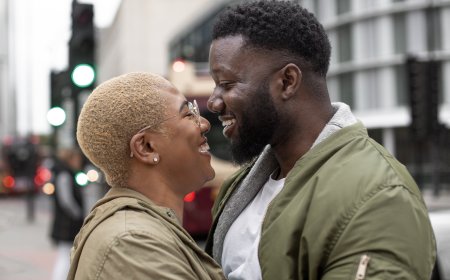
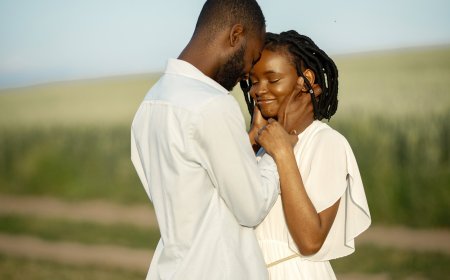

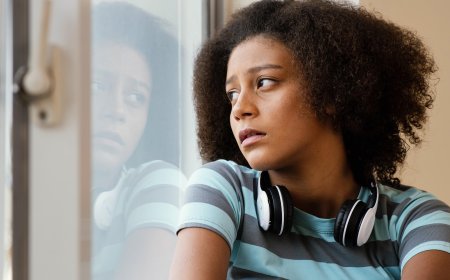
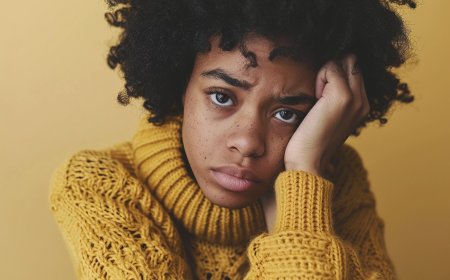







How Childhood Wounds and Trauma Show Up in Your Love Life Without Asking for Permission
transformative, therapeutic deep dive into how childhood wounds and trauma shape your adult love life without your awareness. This article explores the hidden emotional patterns, survival behaviors, attachment styles, and unconscious reactions that influence who you choose, how you love, and why relationships feel difficult. A powerful guide for anyone seeking emotional healing, healthier love, and deeper self-awareness
How Childhood Wounds and Trauma Show Up in Your Love Life
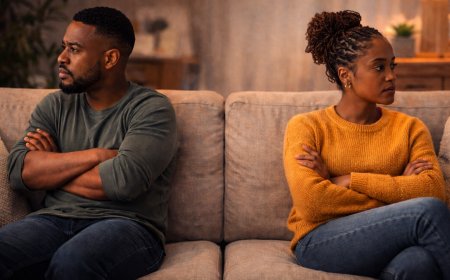
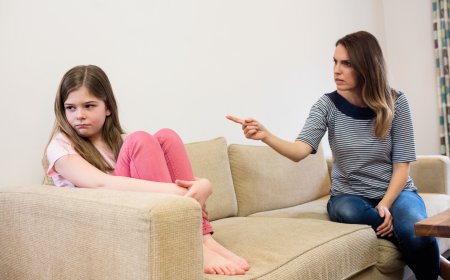
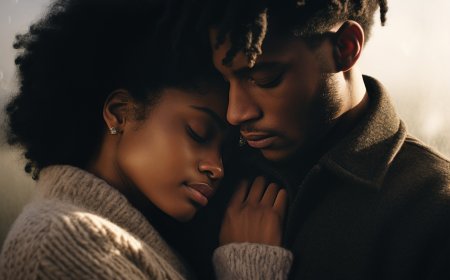
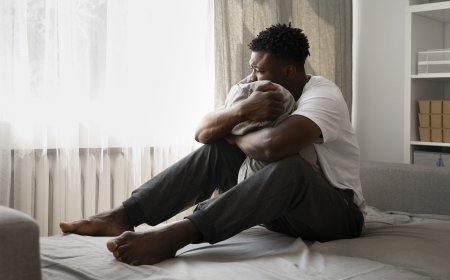
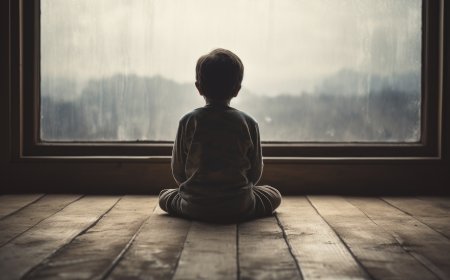
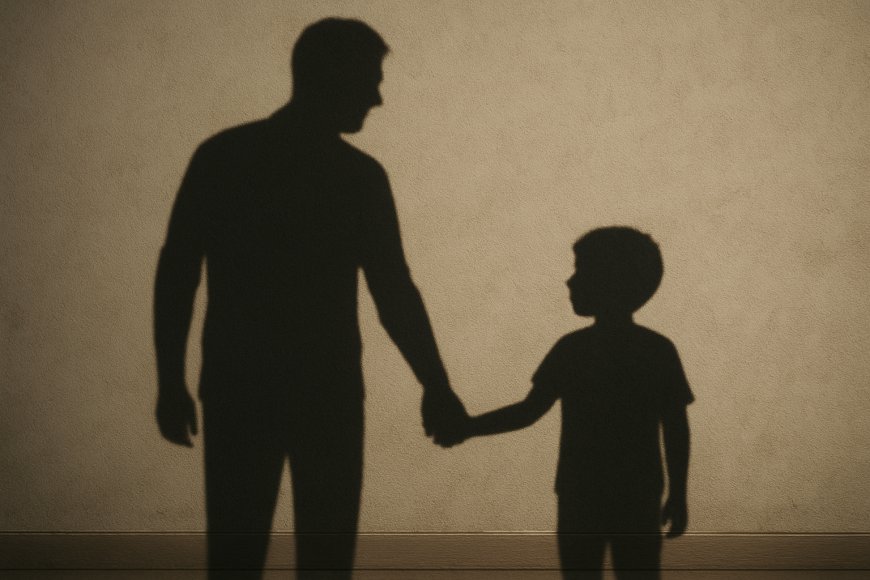
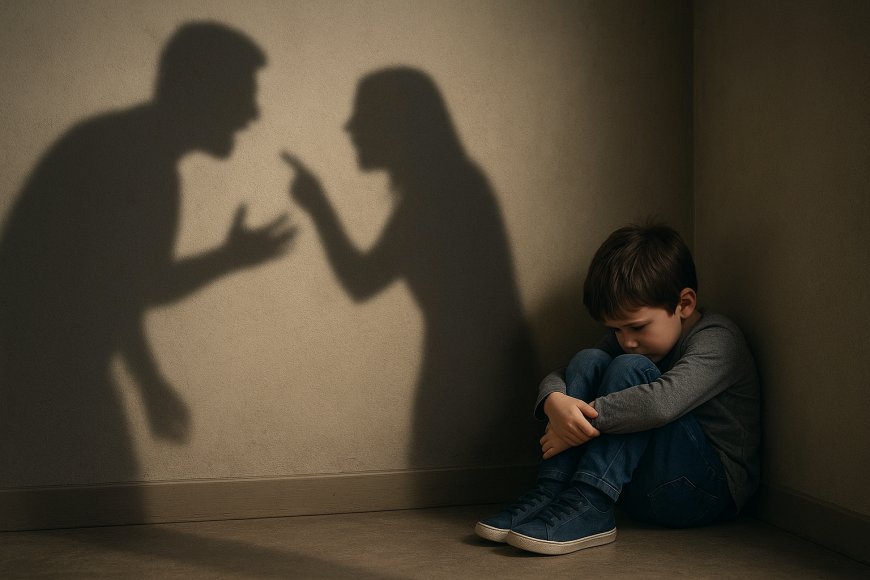
our childhood never stays in childhood.It travels with you,it enters your relationships before you do,It chooses your partners, shapes your reactions, and writes the silent script of how you give and receive love.Childhood wounds don’t knock,they don’t ask for permissionthey walk into your love life uninvited carrying memories your heart never processed, emotions you were forced to suppress, and fears you were too young to understand.Most people think they have “relationship problems,”but what they really have are unhealed childhood patterns replaying themselves in adult bodies.Your love life is not shaped by who you meet, but by the version of you that shows up the wounded child, the protector, the survivor, the pleaser, the over-lover, the avoider.
This is how childhood wounds quietly take over your romantic life without your awareness:
1. Childhood Wounds Become Your Relationship Blueprint
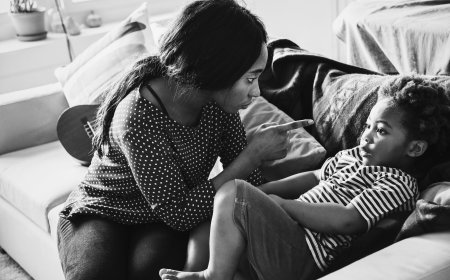
As a child, your parents were your first teachers of love, how they treated you became the template for how you expect to be treated if love was inconsistent, you learned to chase,If love was conditional, you learned to perform,if love was unpredictable, you learned anxiety.If love was absent, you learned to settle.If love was harsh, you learned to over-apologize.And the saddest truth is this:You will unconsciously choose partners who feel familiar not necessarily healthy.
Your nervous system mistakes familiarity for safety.This is why so many people fall in love with emotionally unavailable partners because they grew up with emotionally unavailable parents.
2. Childhood Trauma Shows Up as Overreactions in Relationships
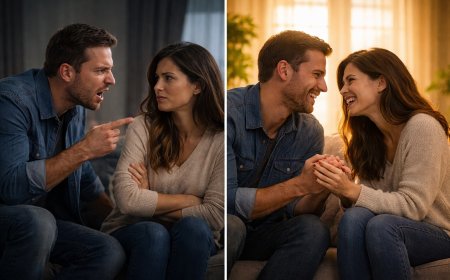
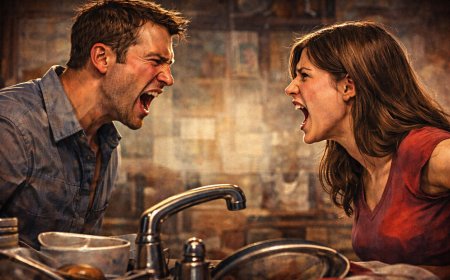
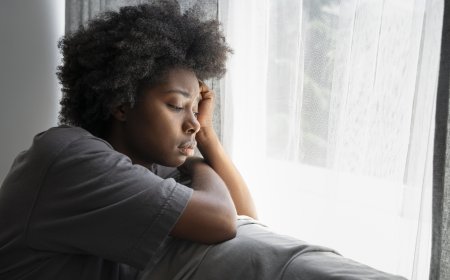
When your partner raises their voice, withdraws, forgets something, or expresses a need, you’re not just reacting to them — you’re reacting to old memories stored in your body.Small triggers become big emotional storms because they awaken parts of you that are still frightened, unseen, or unprotected.You are not “too emotional” or “too sensitive.”You are remembering.Your nervous system is protecting you from dangers that no longer exist.
3. Your Inner Child Chooses Your Partners
You think your adult self is making relationship decisions.But often, it’s the unhealed child within you seeking what they never received:
The child who felt abandoned chooses emotionally distant lovers.
The child who felt unheard chooses partners who dismiss their feelings.
The child who felt unsafe chooses partners they must stabilize.
The child who felt unworthy chooses partners they need to prove themselves to.
The child who felt invisible chooses partners who never fully show up.
Your inner child is trying to re-create the past hoping for a different ending but this only repeats the cycle.
4. You Accept the Love You Were Taught You Deserve
If you grew up:
Unloved — you overgive.
Rejected — you chase.
Criticized — you shrink to be tolerated.
Invalidated — you stay silent.
Shamed — you become defensive.
Ignored — you beg for attention.
Controlled — you mistake intensity for intimacy.
Used — you confuse effort with exploitation.
Your childhood becomes the filter through which you interpret love.You don’t rise to the level of the love you desire you fall to the level of the love you were taught to accept.
5. You Fear Healthy Love Because It Feels Unfamiliar
For many people with childhood wounds, a healthy lover feels “too calm,” “too consistent,” or “too stable.”Why?Because chaos was your normal.Inconsistency was your attachment style.Emotional distance felt like home.So when someone offers:Respect
TransparencyPeaceConsistencyGentlenessEmotional safetyur nervous system becomes uncomfortable:“This is unnatural.”“This is suspicious.”“This won’t last.”You sabotage it because your inner child has never experienced safe love.
6. Childhood Wounds Shape Your Attachment Style
Your love language is often rooted in your wounds, not your preferences.if you fear abandonment → anxious attachment If you fear engulfment → avoidant attachment If your childhood was chaotic → disorganized attachmentIf you felt safe → secure attachmentYour childhood determines how you attach, how you fear, how you trust, how you argue, and how you love.
7. Childhood Trauma Shows Up as Emotional Self-Betrayal
You betray yourself when you:Ignore red flags Downplay your needs tolerate disrespect Stay in relationships you’ve outgrown Apologize for other people’s behavior Accept bare-minimum effortCompromise your standards out of fearGive more than you receiveSelf-betrayal is a learned survival strategy.You learned it when you had to keep the peace at home, avoid punishment, or earn affection.
8. You Confuse Intensity for Connection
If love in childhood was dramatic, painful, or unstable, you may equate:Jealousy with lovePossessiveness with passion Arguments with bonding Anxiety with desireChaos with chemistryBut intensity is not intimacy.Intensity is unresolved trauma disguised as attraction.
9. Your Childhood Wounds Affect Your Emotional Communication
If you grew up in a home where: Emotions were punishedFeelings were dismissedVulnerability was mockedConflict was dangerousSilence was normal.Then as an adult, you will struggle to communicate.You may shut down, explode, withdraw, people-please, or over-explain.Not because you don’t want connection but because you were never taught how to emotionally exist safely.
THE GRACE & GRIT TRUTH
Your childhood may have shaped you, but it does not have to define your future.
Your wounds are not your identity they are your starting point.
Healing requires:
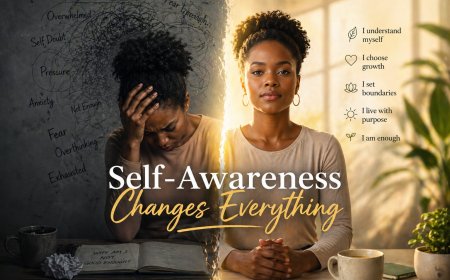
Self-awareness
Inner child work
Emotional regulation
Therapy or coaching
Spiritual grounding
Healthy boundaries
Choosing differently
Practicing vulnerability
Building emotional safety
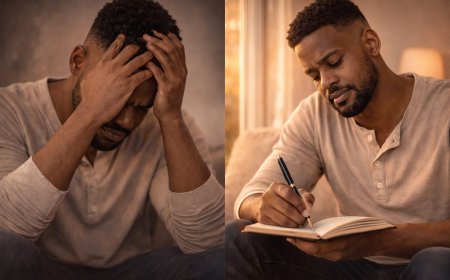
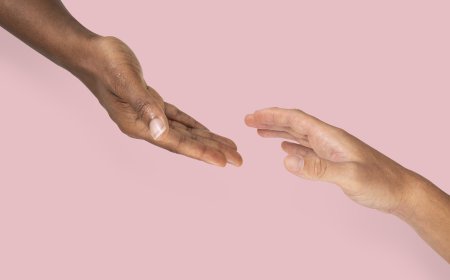
Healthy love becomes possible when you stop letting your past choose your partners.You can rewire your patterns.You can rebuild your identity.You can rewrite your relationship story.You are not doomed you are awakening.
Your childhood entered your love life without permission,
but your healing begins the moment you decide to reclaim the pen.Visit our website gracengrit.info to book a one on one session or even a group session.
To break generation patterns requires you to begin your healing journey now,the good news is you do not have to do it alone,we are here to help,click on the attached link to join our whatup community and get to interact with people who happens to be on the same journey with you.
What's Your Reaction?
 Like
0
Like
0
 Dislike
0
Dislike
0
 Love
0
Love
0
 Funny
0
Funny
0
 Angry
0
Angry
0
 Sad
0
Sad
0
 Wow
0
Wow
0