



























How to Know if You Might Be a Toxic Parent
Discover the signs you might be a toxic parent without realizing it. Learn how unhealed patterns, guilt, and fear impact your child and how awareness, humility, and courage can help you heal and transform your parenting.
How to Know if You Might Be a Toxic Parent Without Realizing It
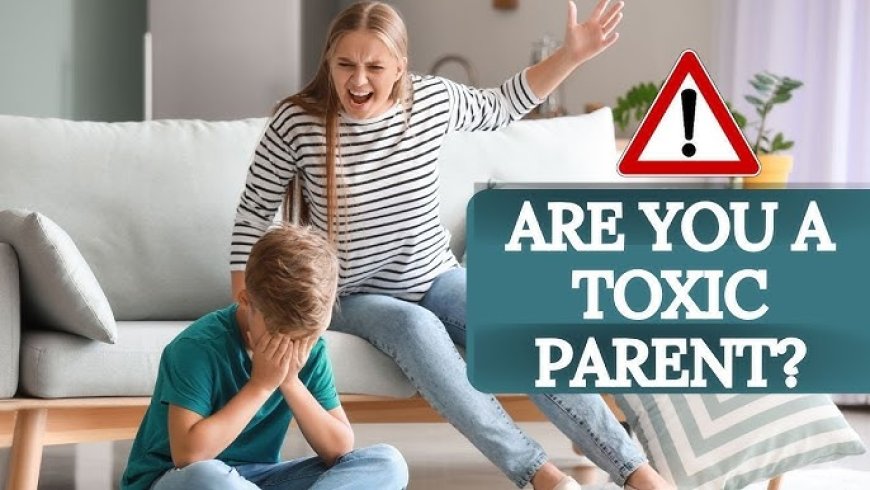
Parenting is often described as the hardest, most rewarding job we’ll ever have. But what happens when we unknowingly hurt the very children we love? When our fears, unhealed wounds, and expectations seep into their lives, we can become a source of stress, fear, or shame even while meaning well.
If any of the truths below sting, pause. Sit with them. Not in guilt. Not in blame. But in raw honesty. Because awareness is the first step to transformation.
1️⃣ You Make Everything About Respect Not Relationship
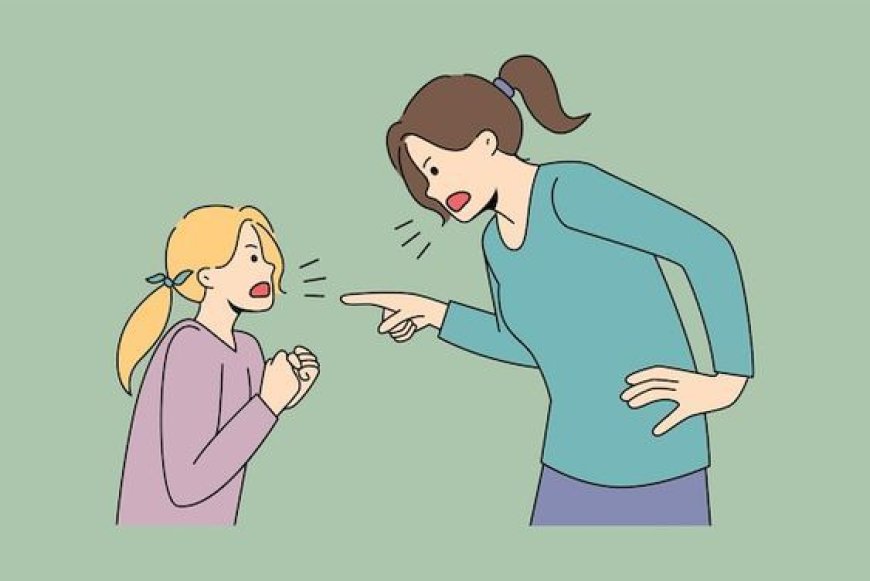
There’s a fine line between respect and fear. You may insist your child obeys every instruction, never questions rules, and appears “well-behaved.” But if obedience is the only measure, your child may feel afraid to talk to you, to share their thoughts, or to admit mistakes.
Reflection: Ask yourself: Do my children trust me with their hearts, or just follow my rules to avoid consequences?
Insight: True respect is earned through connection, not demanded through fear.
2️⃣ You Use Guilt as Control
Phrases like “You’ve disappointed me” or “After all I’ve done for you…” are common, but they teach shame, not growth. Children internalize these statements, believing love is conditional.
Reflection: Consider how often your words are meant to teach versus coerce. Are you shaping behavior or shaping anxiety?
Insight: Guiding a child with accountability is different from manipulating with guilt.
3️⃣ You Dismiss Emotions You Don’t Understand
“Stop crying.” “You’re too sensitive.” “Don’t be dramatic.” These statements may feel normal, but they silence the language of a child’s soul.
Reflection: Are your children learning to express themselves, or to hide how they feel to keep peace?
Insight: When we invalidate emotions, we teach children to numb, to avoid, and eventually, to distrust themselves.
4️⃣ You Project Your Fears Onto Their Life
We often confuse guidance with our own anxieties. “Don’t take risks; it’s dangerous,” might really mean, “I was scared when I was your age.”
Reflection: Are your rules protecting them, or protecting you from reliving your own fears?
Insight: Children need guidance, not a shadow of our unhealed past.
5️⃣ You Make Them Responsible for Your Moods
If your child must “behave” so you don’t get angry, you are teaching emotional codependency. They grow up believing their role is to manage the adult world instead of exploring their own.
Reflection: Are you letting your mood dictate your parenting, or are you modeling emotional regulation?
Insight: A parent’s responsibility is to regulate themselves, not to outsource emotions to a child.
6️⃣ You Punish Mistakes but Rarely Celebrate Growth
Children flourish when acknowledged, corrected when necessary, and celebrated when they try. If your focus is always on the wrong, the child learns love is conditional, and perfection is the only currency.
Reflection: How often do you see their effort rather than just the outcome?
Insight: Growth-oriented parenting builds confidence; criticism-centered parenting builds fear.
7️⃣ You Confuse Fear With Respect
If your child obeys because they are scared of consequences, that is not respect it is compliance born of fear.
Reflection: Do your children follow you willingly or out of worry?
Insight: Trust is the foundation of respect. Fear is a brittle substitute.
8️⃣ You Shame Their Individuality
“You’re embarrassing me” or “Why can’t you be like your sibling?” erodes identity. Children learn that their uniqueness is dangerous or undesirable.
Reflection: Do you honor their choices, even when they differ from yours?
Insight: A child who is safe in their individuality becomes an adult capable of authenticity.
9️⃣ You Replay Your Own Wounds
We often parent the way we were parented. We shout like our parents shouted. We withdraw like they withdrew. The intention to “do better” is powerful, but without healing, history repeats.
Reflection: Are your actions dictated by unprocessed pain from your past?
Insight: Healing yourself is inseparable from healing your parenting.
🔟 You Don’t Apologize
Apologies are not weakness. They are bridges of trust. When parents never say “I’m sorry,” children learn that mistakes must be hidden, and that love is transactional.
Reflection: Can you admit when you were wrong without fear?
Insight: An apology models humility, accountability, and the possibility of growth.
How This Shapes a Child
Children from toxic environments often live in constant self-checking:
-
“Am I too much?”
-
“Did I make Mom angry again?”
-
“If I’m perfect, maybe they’ll love me.”
They grow up hyper-aware of moods, anxious about love, and sometimes emotionally unavailable themselves. They can become people-pleasers, fixers, or adults who feel unsafe in relationships still navigating a home that no longer exists
What's Your Reaction?
 Like
1
Like
1
 Dislike
0
Dislike
0
 Love
1
Love
1
 Funny
0
Funny
0
 Angry
0
Angry
0
 Sad
0
Sad
0
 Wow
1
Wow
1