






























9 Signs Your Child Fears You Not Respects You .
Many children appear “well-behaved,” but deep down, they’re operating from fear not respect. This piece exposes the hidden signs your child may be scared of you, how fear fractures connection, and practical steps to rebuild trust, emotional safety, and true respect at home.

9 Signs Your child Fears You Not Respects You.
Some children grow up not learning how to communicate
but how to survive their parent’s moods.
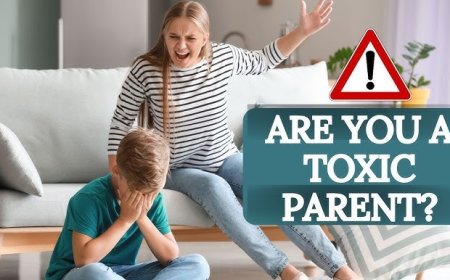
They become experts at reading the room, shrinking to avoid tension, and pleasing to stay safe.What may appear like obedience, quietness, or “good behavior” is sometimes a scared child who’s learned that safety comes through silence, not expression.
And one day, that silence becomes the loudest scream from a child who has learned:“Being myself is dangerous.”Let’s explore the signs not to condemn, but to awaken awareness, compassion, and healing.

1. They Pause Before Speaking to You
Watch their eyes, their body language, their breathing.
If your child:
-
waits to read your face before answering
-
changes their tone based on your mood
-
looks nervous before giving honest feedback
They are not practicing respect ,they are practicing self-protection.A child who feels safe doesn’t rehearse their honesty.They trust that your reaction won’t explode, dismiss, or shame.
2. They Hide Their Mistakes
Children who fear their parents:
-
lie easily
-
hide broken items
-
cover up accidents
-
blame others out of anxiety
Not because they’re deceitful but because they’re scared.They’ve learned that mistakes don’t lead to guidance.They lead to punishment, anger, or emotional withdrawal.Fear teaches children to protect peace at the cost of authenticity.But a child who feels safe believes:“Mistakes don’t end love.”
3. They Don’t Come to You for Comfort
Children naturally run toward safety.
If your child:
-
cries and goes to their room
-
goes quiet when hurt
-
chooses others for comfort
-
avoids you when overwhelmed
It may mean they associate you with correction, intensity, or judgment.They fear your reaction more than they trust your presence.Comfort is the real test of emotional safety.
4. They Over-Apologize
“Sorry.”
“I’m sorry.”
“I’m sorry.”
For everything.
Over-apologizing reveals they are managing your emotions to avoid upsetting you.
They believe:
-
their needs are too much
-
their emotions are burdens
-
their mistakes threaten belonging
This is not respect it’s emotional tiptoeing.A safe child apologizes when wrong.A fearful child apologizes for existing.
5. They Become Emotionally Guarded
A child who fears emotional punishment learns to shut down.
You will see:
-
no tears
-
no anger
-
no deep conversation
-
“I’m fine” for everything
-
emotional numbness
Not because they don’t feel but because feeling is unsafe.They’ve been taught that emotions are met with ridicule, irritation, or silence.Fear creates emotional masks.Safety creates emotional expression.
6. They Seek Validation Elsewhere
When home isn’t warm, children look for warmth somewhere else.
They may:
-
cling to friends
-
become overly attached to teachers
-
seek comfort in screens
-
fall into early relationships
-
crave affirmation externally
A child who doesn’t feel understood at home becomes vulnerable to the wrong influences outside.The biggest loss isn’t rebellion it’s emotional distance.Not losing control over them,but losing connection with them.
7. They Confuse Love With Anxiety
Children raised in fear learn:
“Love must be earned.”
“Peace must be protected.”
“My behavior controls the atmosphere.”
They become hyperaware:
-
your tone
-
your footsteps
-
your silence
-
your sighs
-
your mood shifts
Their nervous system never settles.This becomes adulthood:
-
overthinking every conversation
-
apologizing excessively
-
avoiding conflict
-
feeling unsafe in calm spaces
-
pleasing people to avoid rejection
Fear doesn’t shape character it shapes internalized guilt.
8. They’re Too Well-Behaved
A silent, overly polite, overly obedient child may not be a “good child.”
They might be a scared child.
A child who thinks:
-
disagreeing is dangerous
-
saying “no” is disrespect
-
expressing emotion leads to anger
Children should be respectful but also alive, expressive, curious.If your child never challenges you, never questions you, never disagrees pause.Look deeper.This may be compliance rooted in fear.
9. They Struggle With Self-Worth
Fear-based parenting teaches children:“When something goes wrong, I am the problem.”They internalize:
-
“I’m bad.”
-
“I’m unlovable.”
-
“I’m always wrong.”
-
“I can’t do anything right.”
Their self-esteem becomes fragile.Their identity becomes shame-based.
Their inner voice becomes harsh and anxious because it was shaped by fear.The wounds created in childhood often become the insecurities of adulthood.
Take Away
This is not about blaming yourself.It’s about awakening awareness
because awareness is the beginning of healing.Your child doesn’t need a perfect parent.They need a safe one.
A safe parent:
-
listens before lecturing
-
apologizes when wrong
-
repairs after conflict
-
stays calm and regulated
-
uses firm boundaries without fear
-
leads through connection, not intimidation
-
shows love in tone, not just words
If you’ve made mistakes you’re human.What matters most is who you become today.
Tell your child:“You can tell me anything. I won’t punish honesty. You’re safe with me.”
And then prove it with consistency.Every time you respond gently where you once reacted harshly,your child’s nervous system learns something new:
“I’m safe now.
Love doesn’t have to be scary.
Home doesn’t have to hurt.”
And that healing begins with you.
Ready to Become a Safer, Softer, More Emotionally Present Parent?
Healing your home starts with one brave step awareness.
The next step is intention.If this post opened your eyes, imagine what consistent, guided support could do for your parenting journey.
Join the Grace & Grit Parenting Circle
A monthly safe space where you learn:
-
How to raise emotionally secure children
-
How to break fear-based parenting patterns
-
How to communicate without wounding
-
How to rebuild trust and connection
-
How to heal your own childhood triggers so you don’t pass them down
- For only $5/month, you get:
Weekly parenting lessons
Live Q&A sessions
Emotional healing tools
Access to a supportive community
Downloadable resources & worksheets
Click here to join the Parenting Circle
You can visit our website
To book a one on one coaching session with our lead coach.
Subscribe to the Grace & Grit Newsletter
Receive weekly insights, tools, and healing prompts directly to your inbox.
You don’t have to parent from fear.
You can parent from healing starting today.
What's Your Reaction?
 Like
0
Like
0
 Dislike
0
Dislike
0
 Love
0
Love
0
 Funny
0
Funny
0
 Angry
0
Angry
0
 Sad
0
Sad
0
 Wow
0
Wow
0