





























What Are Childhood Wounds and Traumas? Unseen Scars That Shape Our Early Lives
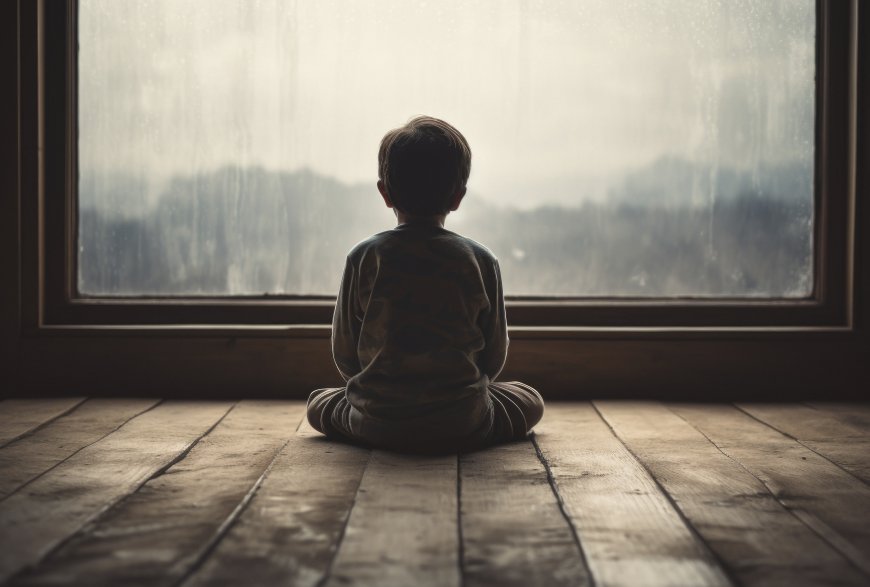
Childhood wounds and traumas are invisible injuries from early life experiences that left deep emotional, mental, and sometimes physical scars. They arise from neglect, abuse, abandonment, rejection, and conditional love, shaping how a child perceives the world, love, and safety. This article explores the nature, types, and raw realities of these early wounds, inviting deep reflection and awareness.
What Are Childhood Wounds and Traumas?
Unseen Scars That Shape Our Early Lives
The Invisible Scars
Childhood is often portrayed as a time of innocence, laughter, and safety. But for many, it is also a landscape of invisible injuries silent scars that form in moments no one noticed or remembered. These are not physical wounds visible on the skin, but emotional, mental, and spiritual injuries that leave an imprint on a child’s heart.
These wounds are born from experiences where the child’s needs were overlooked, dismissed, or actively harmed. They are formed in the spaces where love should have been unconditional but instead was absent, conditional, or inconsistent. Even in homes that looked “normal” from the outside, children can silently endure pain that shapes their internal world.
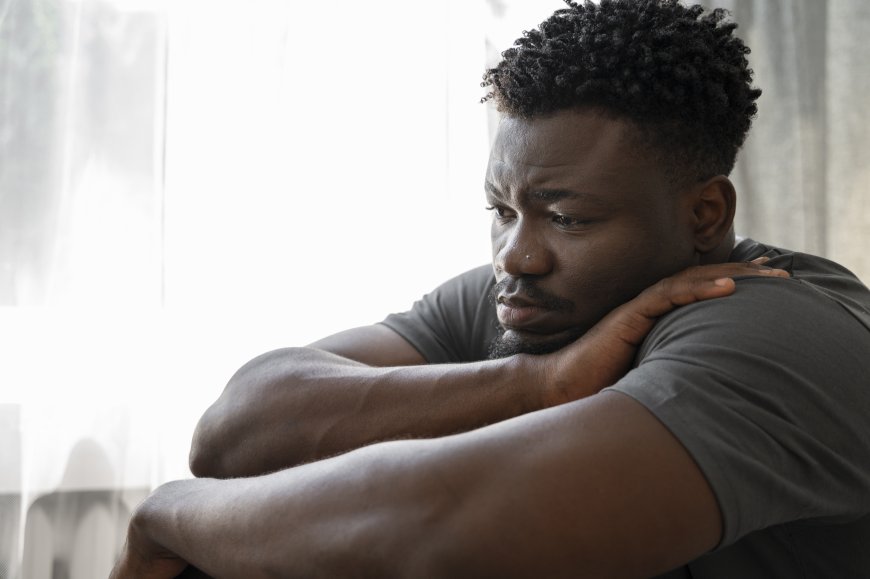
Childhood wounds are not always loud or dramatic. Sometimes they are whispers: a dismissive glance, an unspoken expectation, a missed hug, or the quiet tension in a room. Yet, these subtle experiences can etch themselves into the psyche in ways that are invisible but profoundly real.
Types of Childhood Wounds and Traumas
-
Neglect:
Neglect is the absence of care, attention, or nurturing. It can be physical such as a lack of food, clothing, or safety or emotional, such as ignoring a child’s feelings, failing to offer comfort, or being consistently unavailable. Neglect communicates to a child that their existence or emotions are unimportant. -
Abandonment:
Abandonment occurs when a child experiences physical or emotional absence from caregivers. This could be through literal absence, divorce, or a parent’s emotional unavailability. Even if a caregiver is physically present, emotional neglect can feel like abandonment to a child longing for connection and reassurance. -
Rejection:
Rejection is the experience of being dismissed, criticized, or unwanted. It often comes in the form of constant criticism, comparisons with siblings, or being told one’s feelings are invalid. Rejection teaches a child that they are not enough as they are, planting seeds of self-doubt and unworthiness. -
Abuse:
Abuse can be physical, emotional, or sexual. Physical abuse involves harm to the body, while emotional abuse attacks the child’s sense of self through humiliation, fear, or manipulation. Sexual abuse violates the child’s boundaries and trust. All forms of abuse leave profound, lingering scars on a child’s psyche. -
Conditional Love:
Conditional love is the experience of receiving affection or approval only when a child meets expectations or performs well. This teaches the child that love must be earned, not freely given, and that their value is tied to performance rather than inherent worth. -
Shame:
Shame occurs when a child internalizes criticism or punishment, believing they are inherently flawed or bad. Unlike guilt, which is tied to actions, shame attacks identity, convincing the child that something is fundamentally wrong with them. -
Control and Overexposure to Adult Stress:
Children who grow up in highly controlled or chaotic environments may experience constant monitoring, unrealistic expectations, or exposure to adult worries. While this may appear as structure or responsibility, it can also create fear, hypervigilance, and a sense of never being safe.
The Quiet and Subtle Nature of These Wounds
Not all wounds are obvious. Some children grow up in homes that look “perfect” from the outside, with material comfort, routines, and social appearances intact. Yet, a child can still experience deep emotional deprivation.
-
A parent’s constant criticism, even with love in their tone, can leave the child feeling they are never enough.
-
A lack of acknowledgment for achievements communicates invisibility.
-
Emotional absence being physically present but mentally or emotionally distracted leaves a child yearning for connection that never comes.
These subtle injuries are deceptive. They often feel “normal” to the child because they know no other experience. But over time, they silently accumulate, shaping perceptions of love, safety, and belonging.
Reflection: Recognizing the Invisible Scars
Understanding childhood wounds requires honesty and reflection. Ask yourself:
-
Were there moments when your feelings were dismissed or ignored?
-
Did you feel unseen, unheard, or unprotected as a child?
-
Were there experiences where love felt conditional or unpredictable?
These reflections are not about blame they are about awareness. Awareness is the first step in naming the invisible, acknowledging it, and beginning to confront the weight it carries.
A Grace & Grit Closing
Childhood wounds and traumas are not signs of weakness they are evidence of survival. They are silent witnesses to the experiences we endured when we had no power to protect ourselves. Recognizing them is not about blame, but about naming the truths that have been quietly shaping us.
Healing begins with acknowledgment, reflection, and the courage to face what was never addressed. Understanding these wounds in their full complexity is a powerful first step toward reclaiming the life, love, and emotional safety every human deserves.
If this article stirred something inside you, it’s not by accident.
Awareness is the first step but healing requires support.
Your childhood wounds did not choose you, but healing them is now your responsibility and you don’t have to do it alone.
Visit our website https://gracengrit.info/
-
Book a 1:1 private healing session
-
Explore our Grace & Grit inner-child healing resources
-
Begin the work of emotional safety, clarity, and restoration
This is your invitation to stop surviving and start healing intentionally.
What's Your Reaction?
 Like
0
Like
0
 Dislike
0
Dislike
0
 Love
0
Love
0
 Funny
0
Funny
0
 Angry
0
Angry
0
 Sad
0
Sad
0
 Wow
0
Wow
0