































How Emotional Safety Regulates the Brain and Strengthens Relationships
Emotional safety regulates the brain and nervous system, reducing anxiety and strengthening connection. Learn how emotional safety impacts brain function, attachment, and healthy relationships—and why it’s essential for lasting intimacy and mental wellness.

Emotional safety is not a soft concept. It is biological.
When people talk about wanting to “feel safe” in a relationship, they are not being dramatic or overly sensitive. They are describing a nervous system need. Emotional safety directly impacts how the brain functions, how the body regulates stress, and how securely we attach to others.
Without emotional safety, the brain shifts into survival mode. With emotional safety, the brain opens into connection mode.Understanding this changes how we approach love, parenting, leadership, and even self-development.

The Brain on Emotional Threat
The human brain is wired for survival before connection. When it senses threat whether physical or emotional it activates the amygdala, the brain’s alarm system. This is what triggers fight, flight, freeze, or fawn responses.
Here’s what most people don’t realize: emotional dismissal, criticism, rejection, or unpredictability can activate the same survival circuitry as physical danger.When someone feels unheard, mocked, minimized, or emotionally abandoned, their nervous system does not interpret it as “minor.” It interprets it as unsafe.
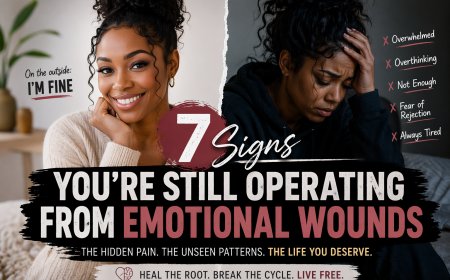
The result? defensiveness, withdrawal, overreaction,emotional shutdown ,hypervigilance ,ot because the person is weak but because their brain is protecting them.
What Happens When Emotional Safety Is Present
Emotional safety calms the amygdala and activates the prefrontal cortex the part of the brain responsible for reasoning, empathy, decision-making, and emotional regulation.When someone feels emotionally safe:
Their stress hormones decrease.
Their breathing stabilizes.
Their heart rate regulates.
Their thinking becomes clearer.
Their empathy increases.
In simple terms: safety restores access to wisdom.In relationships, this means fewer reactive arguments and more constructive conversations. It means conflict becomes manageable instead of catastrophic.Love cannot thrive in survival mode. It requires regulation.
Emotional Safety and Attachment
From a neuroscience perspective, attachment and brain regulation are deeply connected. Secure attachment experiences whether in childhood or adulthood teach the brain that closeness is safe.
But when emotional safety is inconsistent or absent, the brain learns to anticipate danger in intimacy. This can show up as anxious attachment (fear of abandonment), avoidant attachment (fear of closeness), or disorganized attachment (confusion around safety).
Emotional safety rewires this pattern over time. Through consistent presence, validation, and repair, the nervous system begins to learn a new story: “Connection does not equal threat.”
This is not theoretical. It is neurological.
Why Emotional Safety Matters in Marriage and Relationships
Many couples focus on communication techniques without addressing nervous system regulation. But techniques fail when people are dysregulated.if one partner feels emotionally unsafe, no amount of logic will fix it.Emotional safety looks like: listening without interrupting responding without contempte rpairing after conflict validating feelings even when you disagree remaining present during discomfort.It is not about perfection. It is about predictability and emotional reliability.
When emotional safety is restored, couples often report feeling closer without dramatic changes. That’s because their nervous systems are no longer bracing for impact.
Emotional Safety and Self-Regulation
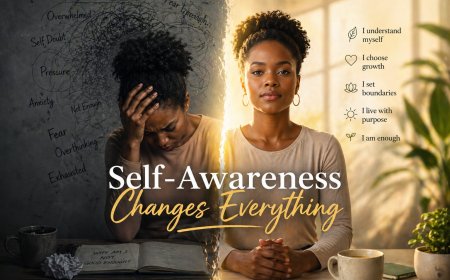
Emotional safety is not only something we receive from others. It is something we build within ourselves.Self-compassion, boundaries, emotional awareness, and regulation practices teach the brain that emotions can be tolerated without chaos.The more regulated you are internally, the less reactive your external relationships become.This is why healing childhood wounds, trauma, and attachment patterns is not just emotional work it is neurological repair.
The Grace & Grit Truth
Emotional safety is not weakness. It is strength expressed through steadiness.It is choosing presence over pride. Curiosity over criticism. Repair over resentment.When you create emotional safety in your marriage, your family, or your own inner world, you are not just improving communication you are literally calming the brain and regulated brain builds regulated relationships.
Join the Grace & Grit Community
If this resonated deeply, it means you are ready for a different way of relating one rooted in emotional safety and nervous system awareness.
At Grace & Grit, we explore:
-
Emotional regulation tools
-
Attachment healing
-
Marriage and relationship restoration
-
Building emotional safety from the inside out
You deserve relationships that feel calm, connected, and secure not reactive and exhausting. FVisit our website for more information.Gracengrit.info
What's Your Reaction?
 Like
0
Like
0
 Dislike
0
Dislike
0
 Love
0
Love
0
 Funny
0
Funny
0
 Angry
0
Angry
0
 Sad
0
Sad
0
 Wow
0
Wow
0