











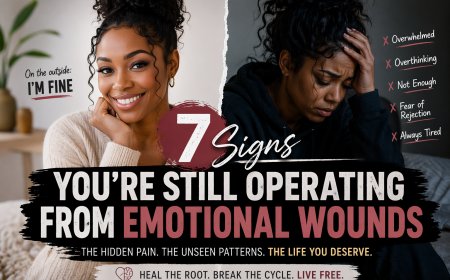



The Hidden Impact of Childhood Wounds: How Your Past May Be Shaping Your Present
Discover how childhood wounds silently influence self-worth, relationships, parenting, and emotional wellbeing—and learn practical steps toward healing.
The Hidden Impact of Childhood Wounds: How Your Past Be Shaping Your Present
The Hidden Impact of Childhood Wounds: How Your Past May Be Shaping Your Present
There are wounds that leave bruises.
Then there are wounds that leave beliefs.
The first type heals with time.
The second type often follows us into adulthood.
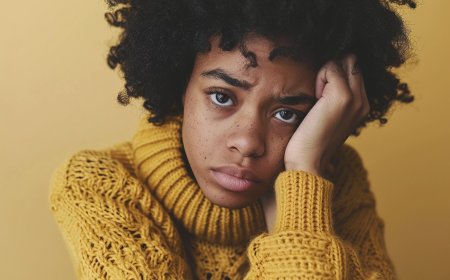
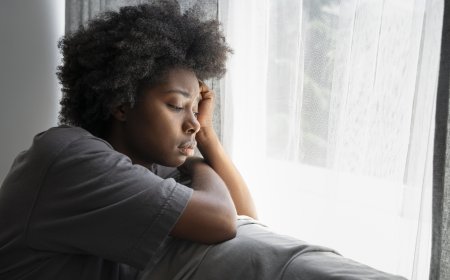
Perhaps you've found yourself wondering why you struggle to trust people even when they have never given you a reason not to. Maybe you constantly seek validation, fear rejection, overthink conversations, or feel responsible for everyone's happiness except your own.
Maybe you are exhausted from repeating the same painful relationship patterns.
You tell yourself you're over it.
You tell yourself the past doesn't matter.
Yet something inside you keeps reacting as though it still does.
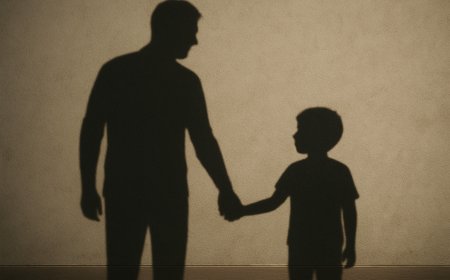
The truth is that childhood wounds do not simply disappear because we grow older. They often become hidden drivers of our thoughts, emotions, behaviors, and relationships.
Many adults are carrying emotional wounds they never knew existed.
Not because they are weak.
Not because they are broken.
But because emotional pain that is ignored often becomes emotional pain that is repeated.
Understanding childhood wounds is not about blaming parents or reliving the past endlessly. It is about gaining awareness so that what happened to you no longer controls what happens next.
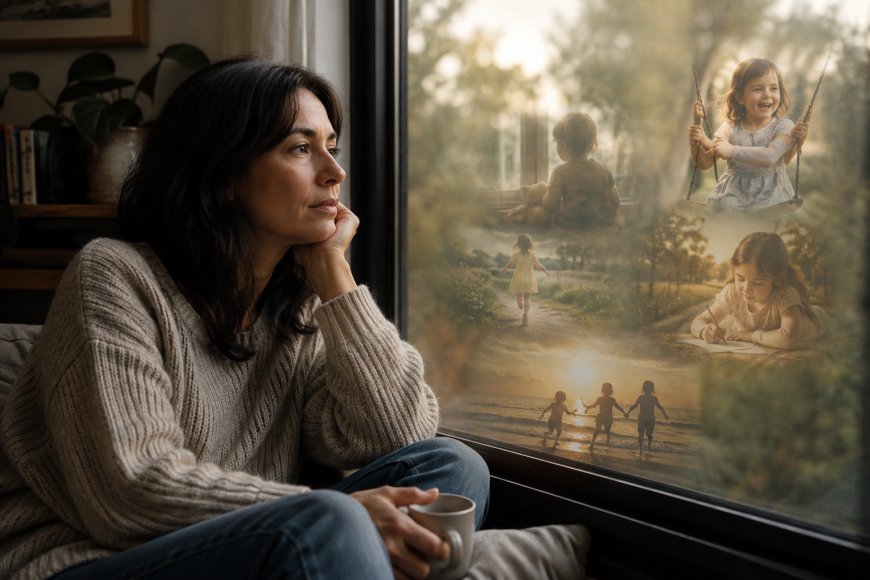
What Are Childhood Wounds?
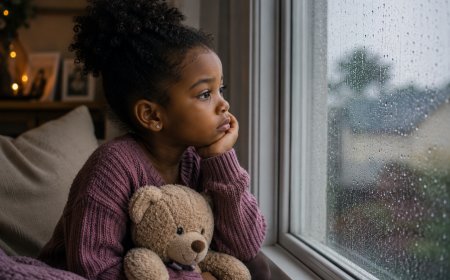
Childhood wounds are emotional injuries formed during our developmental years when important emotional needs were not consistently met.
Sometimes these wounds develop through obvious trauma such as abuse, abandonment, neglect, bullying, or exposure to conflict.
Other times they develop through experiences that appear normal on the surface.
A child may have had food, clothing, and education but still felt unseen, unheard, criticized, emotionally dismissed, or unsafe expressing feelings.
Children naturally make meaning out of experiences.
When a child's emotional needs go unmet, they often create beliefs such as:
"I am not important."
"I have to earn love."
"My feelings don't matter."
"I must be perfect to be accepted."
"I cannot trust people."
"I am too much."
"I am not enough."
The child grows up.
The beliefs often remain.
The Silent Impact of Emotional Neglect
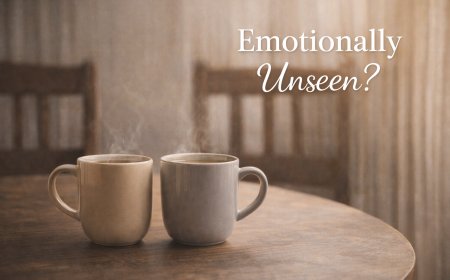
One of the most overlooked childhood wounds is emotional neglect.
Unlike physical abuse, emotional neglect is often invisible.
It is not always what happened to you.
Sometimes it is what never happened for you.
The comfort that never came.
The affection that was rarely expressed.
The validation you desperately needed.
The emotional safety that was missing.
Many adults who experienced emotional neglect struggle to identify their feelings, ask for help, establish boundaries, or maintain healthy relationships.
They become experts at surviving while feeling disconnected from themselves.
As a coach, I often meet people who say:
"My childhood wasn't that bad."
Yet when they begin sharing their story, a different picture emerges.
They learned early that emotions were inconvenient.
They learned that vulnerability felt dangerous.
They learned that love came with conditions.
Those lessons do not stay in childhood.
They follow us into adulthood.
How Childhood Wounds Affect Self-Worth
A child's self-worth is built through connection.Children learn who they are through the messages they consistently receive from caregivers.When children are encouraged, seen, valued, and emotionally supported, they often develop a secure sense of identity.
When criticism, rejection, neglect, or inconsistency dominate their environment, self-worth often suffers.
As adults, this may look like:
Constant self-doubt.
People-pleasing.
Fear of failure.
Perfectionism.
Difficulty accepting compliments.
Comparing yourself to others.
Seeking validation from unhealthy sources.
The tragedy is that many people spend years trying to improve confidence without addressing the wounds that damaged it in the first place.
How Childhood Wounds Affect Relationships
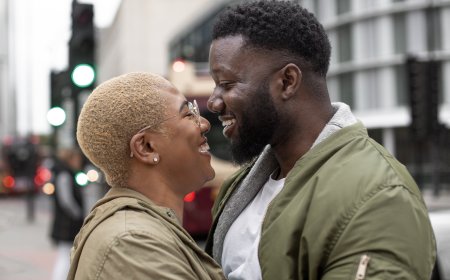
Many relationship struggles are not actually relationship problems, hey are unhealed wound problems.A person who experienced abandonment may become highly anxious in relationships.A person who experienced criticism may become defensive.Someone who learned that love was inconsistent may become fearful of intimacy.
Someone who was emotionally neglected may struggle to connect emotionally with a partner.Without healing, childhood wounds often create patterns such as:
Choosing emotionally unavailable partners.
Fear of commitment.
Fear of vulnerability.
Chronic jealousy.
People pleasing.
Codependency.
Difficulty communicating needs.
Repeated toxic relationship cycles.
The partner may change.
The pattern remains.
Because the wound remains.
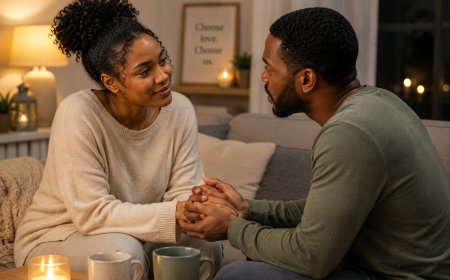
When Childhood Wounds Enter Marriage
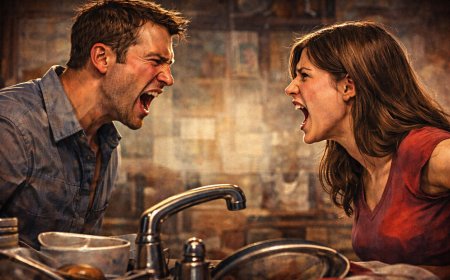
Marriage has a way of exposing wounds we did not know existed.A disagreement about household responsibilities may trigger feelings of being unimportant.
A delayed response to a text message may trigger abandonment fears.
Constructive feedback may trigger childhood shame.
Partners often believe they are fighting about the present situation.
In reality, many arguments are fueled by old pain seeking protection.
This is why emotional healing is essential for healthy marriages.
Healing helps us respond from the present instead of reacting from the past.
How Childhood Wounds Affect Parenting
One of the most painful realities is that unhealed wounds often transfer across generations.
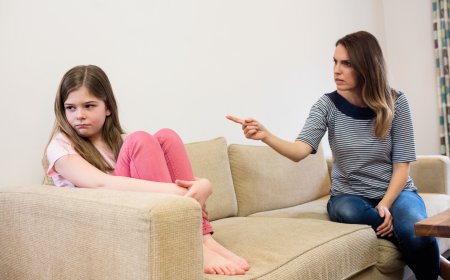
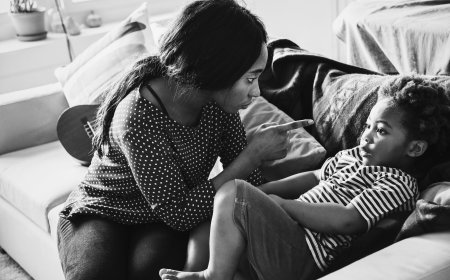
Parents may unintentionally repeat patterns they experienced growing up.
A parent who was constantly criticized may become overly critical.
A parent who never received affection may struggle to express affection.
A parent who grew up emotionally neglected may have difficulty validating a child's emotions.
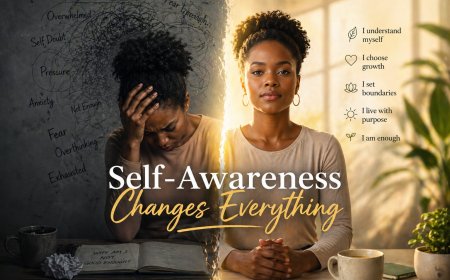
The good news is that awareness changes everything.
Healing allows parents to respond intentionally rather than automatically.
It creates emotionally safe homes where children feel seen, heard, valued, and loved.
Signs You May Be Carrying Unhealed Childhood Wounds
You may be carrying unresolved childhood wounds if you:
Feel responsible for everyone else's emotions.
Struggle to trust people.
Fear rejection or abandonment.
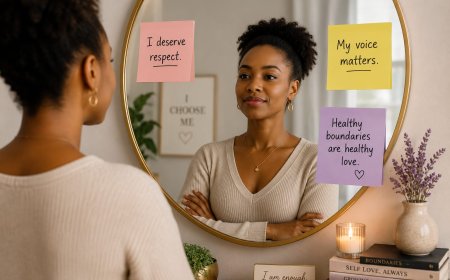
Have difficulty setting boundaries.
Avoid conflict at all costs.
Need constant reassurance.
Feel emotionally numb.
Choose unhealthy relationships repeatedly.
Struggle with self-worth despite achievements.
Fear vulnerability and intimacy.
These signs do not mean something is wrong with you.
They often mean something happened to you that deserves attention and healing.
The Cost of Staying Stuck
Unhealed wounds rarely remain isolated.They affect every area of life.Emotionally, they create anxiety, shame, fear, and insecurity.
Relationally, they create distance, conflict, and unhealthy patterns.Spiritually, they can create feelings of unworthiness and disconnection.
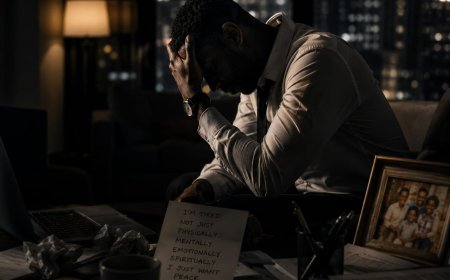
Mentally, they can fuel overthinking, perfectionism, and emotional exhaustion.The longer wounds remain unaddressed, the more they shape decisions, relationships, and identity.Healing is not about changing the past.It is about changing the impact the past has on your future.
The Path Toward Healing
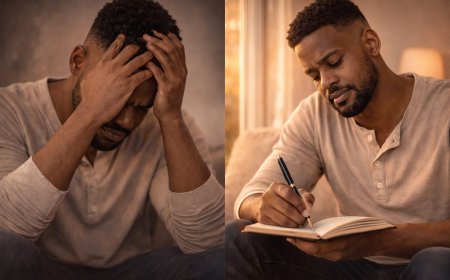
Healing begins with awareness, you cannot heal what you refuse to acknowledge.Take time to notice your emotional triggers.
Ask yourself:"What does this reaction remind me of?, "When have I felt this way before?"
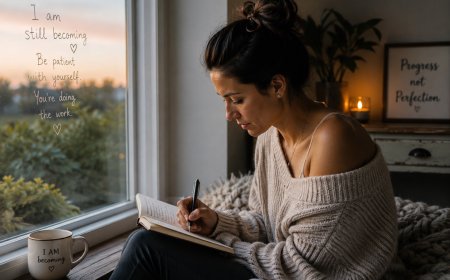
"What belief am I carrying about myself?"Journaling can be a powerful tool.
Begin exploring questions such as:What messages did I receive about love growing up?
How were emotions handled in my family?What do I fear most in relationships?
What childhood experiences still affect me today?As awareness grows, self-compassion becomes essential.
Healing is not about judging yourself.It is about understanding yourself.
Professional coaching, therapy, support groups, faith communities, and personal development resources can all play important roles in the healing journey.
A Faith Perspective on Healing
Healing is not merely psychological, it is also deeply spiritual.Many people carry wounds that convinced them they were unworthy, unloved, forgotten, or broken.Yet healing begins when we challenge those beliefs.You are more than what happened to you.
Your wounds may explain your struggles, but they do not define your identity.There is hope beyond your pain, there is life beyond your survival patterns.
There is healing beyond your wounds, and there is a future that does not have to be dictated by your past.
Reflection Questions
What childhood experiences shaped how I see myself today?
What relationship patterns keep repeating in my life?
What emotions do I struggle to express?
What beliefs about love am I carrying?
What would healing look like for me?
Conclusion
The hidden impact of childhood wounds is that they quietly influence how we think, love, trust, communicate, parent, and view ourselves.For years, many people attempt to change behaviors without understanding the pain driving them.
But true transformation happens when we stop asking, "What is wrong with me?" and begin asking, "What happened to me?"
Healing is not about becoming someone new.It is about becoming who you were always meant to be before pain convinced you otherwise.
Your story is not over,your wounds are not your identity, and healing is possible.
Ready to Start Your Healing Journey?
If this article resonated with you, don't stop here.
Download my FREE Emotional Healing Starter Guide and begin taking practical steps toward emotional freedom, healthier relationships, and deeper self-awareness.
✅ Download my Free Emotional Healing Starter Guide
✅ Join the Emotional Healing Community
✅ Book a Discovery Coaching Session
At Grace N Grit with Terry Samy, we help individuals, couples, and parents break unhealthy patterns, heal emotional wounds, build healthier relationships, and create lasting transformation.
Your healing journey starts with one courageous step. Take that step today.
What's Your Reaction?
 Like
0
Like
0
 Dislike
0
Dislike
0
 Love
0
Love
0
 Funny
0
Funny
0
 Angry
0
Angry
0
 Sad
1
Sad
1
 Wow
0
Wow
0