















The 12 Biggest Mistakes Couples Make During Conflict
Discover the 12 biggest mistakes couples make during conflict and learn healthier ways to communicate, rebuild trust, strengthen emotional connection, and resolve disagreements without damaging your relationship.
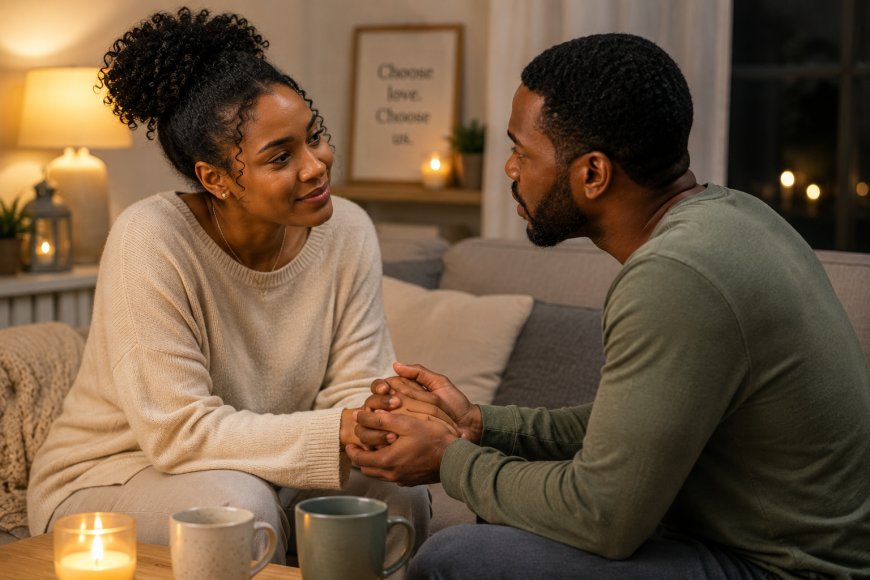
The 12 Biggest Mistakes Couples Make During Conflict (That Quietly Destroy Emotional Connection)
"I don't think we're arguing about the dishes anymore."
The room fell silent.
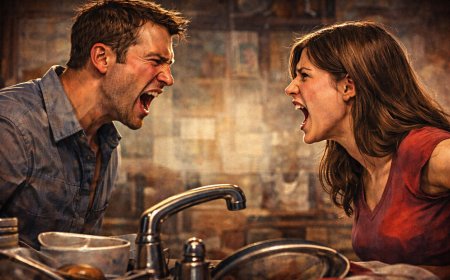
A husband stood by the kitchen sink while his wife folded her arms across her chest. Minutes earlier, the disagreement had started over something so ordinary it hardly seemed worth mentioning a pile of dishes left in the sink after dinner.
But now, the conversation had transformed into something much deeper.
"You never appreciate me."
"Nothing I do is ever enough."
"Maybe you just don't understand me anymore."
Suddenly, the dishes no longer mattered.
Underneath the disagreement lived something much more vulnerable: the longing to feel seen, valued, respected, and emotionally safe.If you've ever experienced something similar, you're not alone.
Many couples believe conflict is the greatest threat to their relationship. In reality, conflict is simply a normal part of sharing life with another imperfect human being. Two people with different personalities, life experiences, expectations, communication styles, and emotional needs will inevitably disagree.
The real danger isn't conflict itself, It's how couples respond to each other in the middle of conflict.Some disagreements deepen intimacy because they are handled with humility, curiosity, and respect.
Others quietly chip away at trust, creating emotional distance one painful conversation at a time.
Healthy marriages are not built by couples who never argue. They are built by couples who know how to protect their relationship while working through disagreements.
Let's explore the twelve biggest mistakes couples make during conflict and how you can replace them with healthier patterns that strengthen emotional connection instead of weakening it.
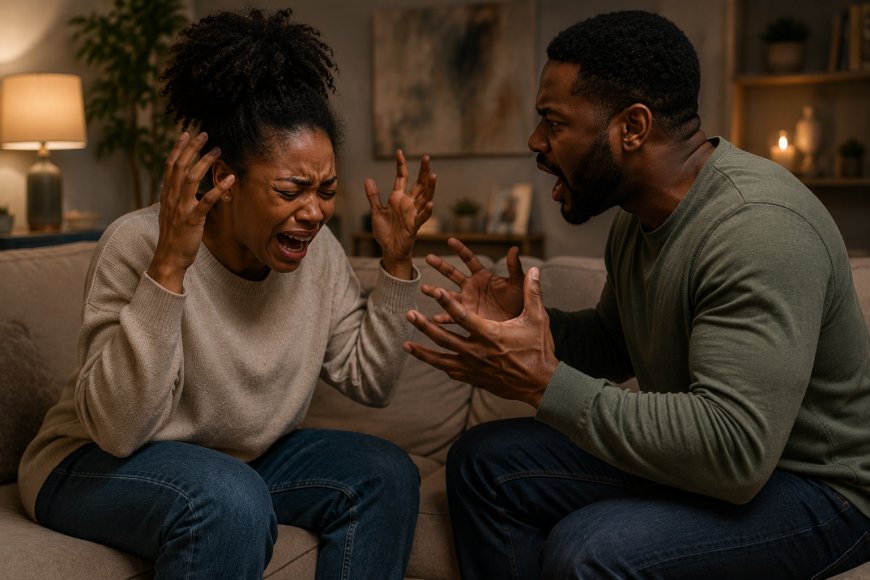
Why Conflict Feels Bigger Than the Problem
Most arguments aren't really about the issue sitting on the surface.A disagreement about money may actually be about security.An argument about household chores may reflect a deeper desire to feel appreciated.
A conflict about intimacy may hide fears of rejection or emotional disconnection.
Research in relationship psychology suggests that recurring conflicts often represent deeper emotional needs rather than isolated events. During conflict, our nervous system can shift into self-protection, making it harder to listen, empathize, or communicate clearly. Instead of seeking connection, we may become focused on defending ourselves.
Understanding this doesn't excuse hurtful behavior, but it does remind us that behind many arguments is a person who wants to feel loved, heard, respected, and emotionally safe.
The healthiest couples learn to ask a different question.
Instead of asking, "How do I prove my point?"They ask, "What is my partner trying to tell me beneath these emotions?"That simple shift changes everything.
1. Trying to Win Instead of Trying to Understand
One of the biggest mistakes couples make is turning every disagreement into a competition.
Who is right?
Who started it?
Who deserves the apology?
Who remembers the facts correctly?
But here's a question worth sitting with:
If you win the argument but lose your spouse's trust, did you really win?
Relationships are not courtrooms where one person must prove their case. They are partnerships where two people work together to solve a shared problem.
Winning an argument while damaging emotional safety creates distance rather than connection.
Healthy couples replace competition with collaboration. They stop asking, "Who's right?" and begin asking, "How do we move forward together?"
Reflection: During your last disagreement, were you trying to understand your partner or trying to convince them you were right?
2. Listening to Defend Instead of Listening to Understand
Many people hear words without truly hearing the emotions behind them.While one partner is speaking, the other is already preparing a rebuttal.
Instead of listening with curiosity, they listen through the lens of self-defense.Yet people rarely calm down because they have been corrected.They calm down because they feel understood.
When your spouse says, "I feel alone," they may not be asking you to defend your schedule. They may be asking you to recognize their loneliness.
Listening is one of the greatest gifts we can offer someone we love. It communicates, "Your experience matters to me."
Healthy listening seeks understanding before explanation.
What's Your Reaction?
 Like
0
Like
0
 Dislike
0
Dislike
0
 Love
0
Love
0
 Funny
0
Funny
0
 Angry
0
Angry
0
 Sad
0
Sad
0
 Wow
0
Wow
0